beBeer wins LuxLife’s Food & Drink Awards 2025 – putting Belgium’s beer heritage “in your pocket”
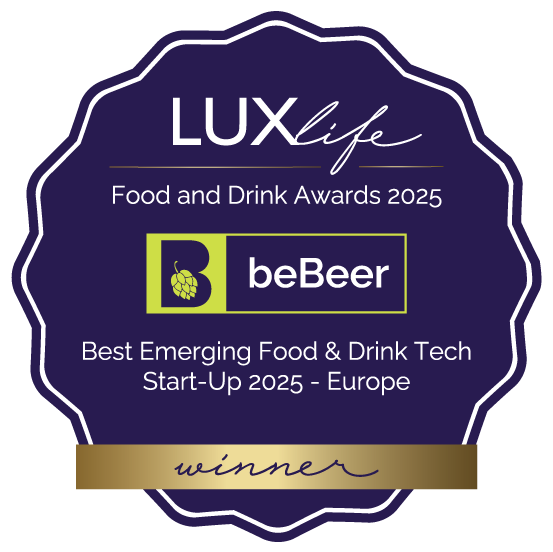
Brussels-based start-up beBeer has been named “Best Emerging Food & Drink Tech Start-Up 2025 – Europe” by LuxLife. This recognition highlights a fast-growing digital platform built to connect breweries, beer lovers, event promoters, and local authorities across Europe. At its core, beBeer is a mobile-first web app designed for beer tourism and local discovery. It features an interactive map and calendar to help enthusiasts find breweries, events, and beer-related initiatives quickly and freely across borders. The name itself carries a double nod: “be beer” (we are beer) and bibere, Latin for “to drink.”
A Belgian start-up with a European network mindset
beBeer’s mission is simple but ambitious: It aims to bring together brewers and promoters, local and regional beer lovers, and elected councillors. This makes it possible for visitors to discover activities, breweries to raise their profile, and municipalities to strengthen local economic development. Additionally, it attracts tourism. “The project has been maturing and in preparation for several years,” says founder Pascal Goergen. “I had to combine my various professional experiences to be able to bring together digital, local, and the brewing world. The aim was to propose something innovative and positive for the local sector and for the brewing tradition in Europe.” The platform is currently available in French, English, Dutch and German, reflecting beBeer’s cross-border ambition from day one.
More than breweries: mapping the real beer experience
What beBeer catalogues goes well beyond taprooms. Alongside breweries and microbreweries, the platform brings visibility to the wider ecosystem of “promoters.” This includes pubs, brewing tours, brotherhoods, museums, tasting competitions, festivals, and even restaurants featuring beer-based dishes. The result is a practical guide for locals and visitors alike, featuring an interactive map and calendar. These tools include more than 5,000 breweries and promoters for easy navigation. For breweries and organisers, beBeer also offers the ability to create a “brewing ID” page/card. They can share events or products, giving the sector a dedicated, independent place to be found and followed.
“Brewing communes”: a label built on evidence, not marketing
One of beBeer’s most distinctive projects is its forthcoming “brewing commune” label, awarded with one, two or three hops to spotlight places where brewing heritage is vibrant. Importantly, beBeer positions this as not another generic standard or certification. “Here, there is no ISO or other type of label,” Goergen explains. “It’s about compiling everything related to the brewing world in your commune/city. The beBeer jury can then assess the intensity/presence of brewing in a particular commune.” The assessment is based on 10 objective criteria that guide the jury in awarding hop levels. The model also creates a concrete role for local leadership. Elected officials can become beBeer Ambassadors for their commune. They help connect the platform with local brewers, venues, and initiatives while promoting heritage and tourism.

What’s next: financing innovation, investors, and a new “phygital” beer tourism layer
Winning the LuxLife award is a milestone but beBeer is treating it as a springboard. Over the coming months, the team’s priorities are clear:
- Creating the right financial environment to accelerate innovation: This strengthens the foundation that allows beBeer to scale responsibly while staying true to its values of independence, passion, diversity, and mutual respect.
- Opening discussions with investors who share a long-term vision for an independent European brewing network. These discussions support growth, product development, and international rollout.
- Building new digital opportunities for the brewing world, including Web3 experimentation. Efforts focus where real value is created, such as trust, traceability, and community participation. Additionally, a stronger phygital approach links digital discovery to real-world experiences.
- Launching tourism-driven “phygital” events across Europe’s regions and communes. These efforts help visitors discover breweries and local traditions through curated routes, calendars, and on-the-ground activations.
- Announcing the first “brewing communes” by the end of March, marking the first wave of municipalities recognized for their brewing intensity and heritage in multiple European countries. This is a key step in turning the “beBeer in your pocket” idea into a visible, local movement.
As beBeer expands, its message remains consistent: the goal is not to replace local ecosystems. Instead, it aims to connect them, making Europe’s brewing culture easier to explore and sustain.
Practical info: www.bebeer.app and www.bebeer.org